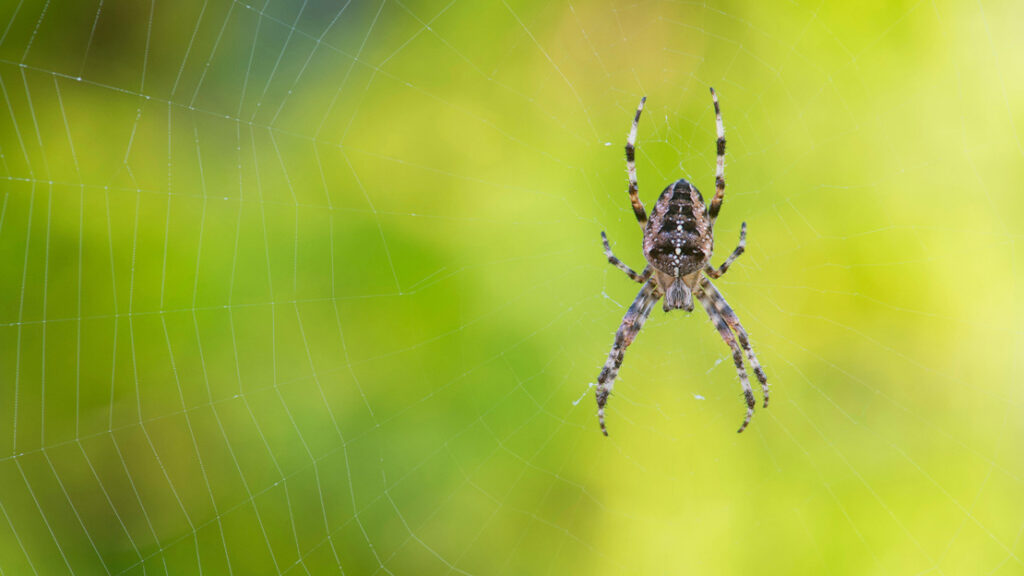
- Autumn is “spider season” in UK homes. Male house spiders spend much of the year outdoors, but in autumn they start wandering indoors in search of females. There are more than 650 species of spider in the UK.
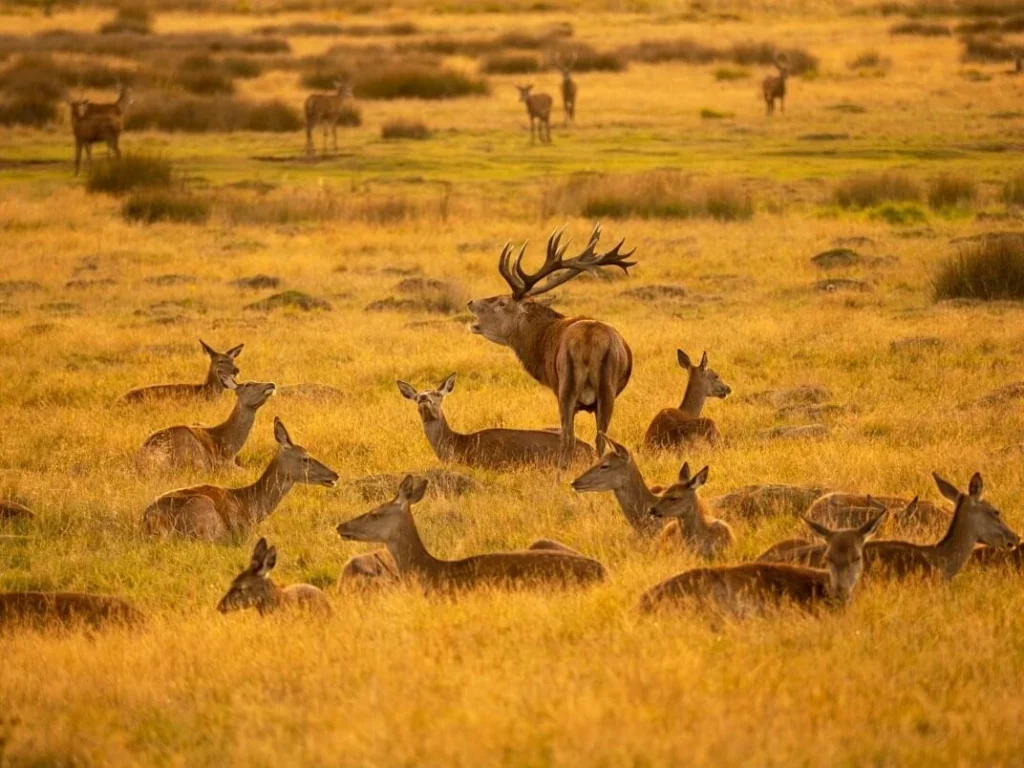
- Red deer rutting season begins around the end of September. It continues into early November, when stags compete for access to females.
- Ivy becomes particularly valuable to wildlife in autumn. Its flowers provide a late source of nectar for bees, butterflies and other pollinators, while its evergreen leaves provide shelter as other vegetation dies back.
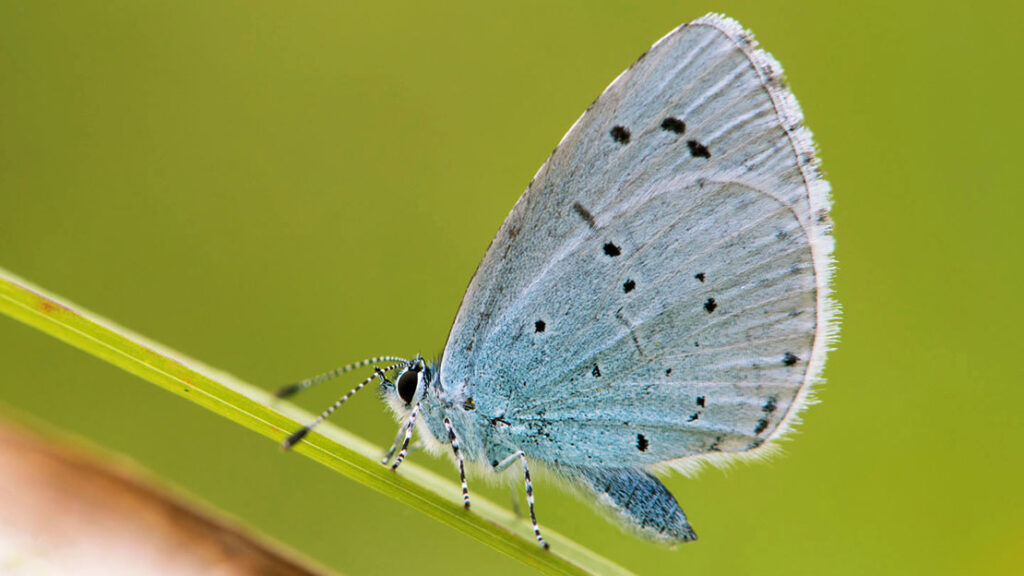
- Flowering ivy can increase the number of some butterflies found in British gardens. Research highlighted by Butterfly Conservation found that gardens with flowering ivy had, on average, 31% more Holly Blue butterflies than gardens without it.
- The UK clocks go back by one hour on the last Sunday in October. When they go back, Britain switches from British Summer Time to Greenwich Mean Time. This year it happens on 25th October.
- Autumn leaf colour isn’t simply “the leaves dying”. Green chlorophyll breaks down as trees prepare to shed their leaves, revealing other pigments such as yellow carotenes and red/pink anthocyanins. Weather conditions can influence how intense the colours become.
- The UK’s tallest native tree is a beech. A beech tree at Hagg Wood beside the River Derwent in Derbyshire was measured at 45 metres tall in 2018.