
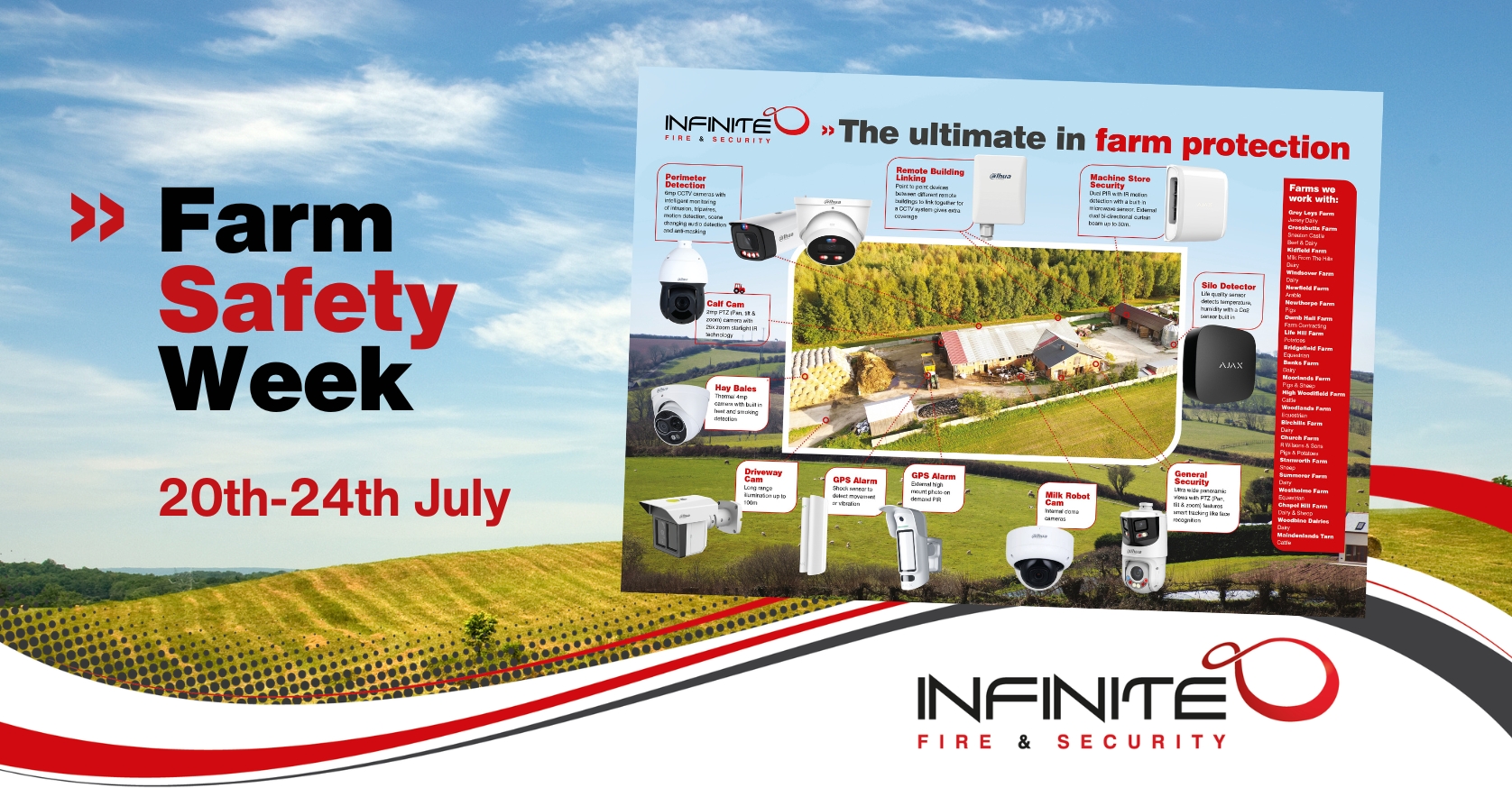
Every year, Farm Safety Week highlights the importance of protecting the people who keep our agricultural industry running. Farming is one of the UK’s most vital industries, but it also remains one of the most hazardous. From operating heavy machinery and handling livestock to working at height and managing combustible materials, farmers face a wide range of risks every day.
Farm Safety Week serves as an important reminder that investing in health and safety is not just about compliance—it’s about protecting lives, livelihoods, and the future of farming.
Why Farm Safety Matters
Farms are unique workplaces where homes and businesses often operate side by side. Daily tasks involve powerful machinery, electrical equipment, chemicals, livestock, and buildings that can present significant fire and safety risks.
Many incidents can be prevented through careful planning, regular maintenance, staff training, and ensuring the right safety measures are in place.
Common Farm Safety Risks
Machinery and Vehicles
Tractors, telehandlers, combines, and quad bikes are essential to modern farming but remain one of the leading causes of serious accidents.
Simple steps such as routine maintenance, wearing seatbelts, switching machinery off before repairs, and keeping pedestrians away from moving vehicles can significantly reduce risk.
Fire Risks on Farms
Fire can have devastating consequences for farms, destroying buildings, machinery, crops, livestock, and disrupting business operations.
Common causes of farm fires include:
- Faulty electrical installations
- Overheated machinery
- Combustible dust and hay storage
- Fuel and chemical storage
- Hot works such as welding and grinding
- Lithium battery charging equipment
Reducing fire risk starts with regular inspections, maintaining electrical systems, keeping machinery clean, storing combustible materials safely, and ensuring fire protection equipment is readily available.
Livestock Handling
Animals can behave unpredictably, particularly during breeding, calving, or when under stress.
Well-maintained handling systems, proper planning, and avoiding lone working wherever possible all contribute to safer livestock management.
Working at Height
Maintenance work on roofs, grain stores, silos, and agricultural buildings presents significant fall hazards.
Using suitable access equipment, inspecting ladders, and avoiding unnecessary risks are essential parts of safe working practices.
Hazardous Chemicals
Pesticides, fuels, fertilisers, and veterinary medicines should always be stored securely and handled using the correct personal protective equipment (PPE).
Following manufacturer guidance and maintaining secure storage areas helps protect both people and the environment.
Fire Safety: An Often Overlooked Priority
Many farms contain older buildings, complex electrical systems, workshops, fuel storage areas, and valuable machinery. A single fire can result in substantial financial loss and lengthy business interruption.
Fire prevention should form part of every farm’s overall safety strategy. This includes:
- Regular fire risk assessments
- Servicing fire extinguishers
- Installing and maintaining fire alarm systems
- Testing emergency lighting
- Keeping escape routes clear
- Developing emergency evacuation procedures
These measures not only improve safety but can also help minimise downtime and protect valuable assets.
How Infinite Fire and Security Can Help
Farm Safety Week is an ideal opportunity to review your farm’s fire and life safety measures. Infinite Fire and Securitysupports agricultural businesses with professional fire protection and security solutions designed to help keep farms safe, compliant, and prepared for emergencies.
Services include:
- Comprehensive fire risk assessments
- Fire alarm installation, servicing, and maintenance
- Fire extinguisher supply and annual servicing
- Emergency lighting installation and testing
- Fire safety signage
- Planned maintenance programmes
- Security systems, including CCTV and intruder alarms, to help protect valuable equipment, livestock, and buildings
With farms often covering large areas and housing expensive machinery, crops, livestock, and fuel stores, having reliable fire detection and security systems in place provides valuable protection and peace of mind.
Mental Wellbeing Matters Too
Farm safety is about more than preventing physical injuries. Long hours, financial pressures, unpredictable weather, and isolation can all affect mental health.
Taking regular breaks, asking for support when needed, and maintaining strong connections with family, neighbours, and the wider farming community are just as important as wearing PPE or servicing machinery.
Creating a Safer Future
Improving safety doesn’t require major changes overnight. Small, consistent actions—such as checking equipment, maintaining fire protection systems, reviewing emergency plans, and encouraging safe working practices—can make a significant difference.
Farm Safety Week reminds us that every person on a farm has a role to play in creating a safer working environment.
Conclusion
Farming will always involve challenges, but many accidents and fires are preventable with the right precautions. By putting safety first, maintaining equipment, reducing fire risks, and investing in effective protection systems, farms can safeguard their people, property, and future.
At Infinite Fire and Security, we’re proud to support the agricultural community by helping farms stay protected through expert fire safety and security solutions. This Farm Safety Week, take the opportunity to review your safety arrangements—because protecting your farm starts with protecting the people who work and live there.
